Dietetics students bring attention to malnutrition in hospital care
From theory to practice. When dietetics students took part in Malnutrition Awareness Week, they met patients, collected real-world data, and gained firsthand insight into the importance of nutritional care in the healthcare system.
Disease-related malnutrition remains a significant challenge in healthcare. The condition is common and can lead to longer hospital stays, poorer recovery, and increased risk of complications. Because effective methods exist to detect and prevent malnutrition, both systematic assessment and heightened awareness are essential.
Students improve care

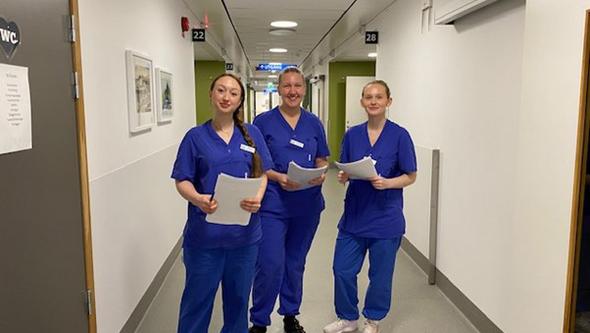
Fifth-semester dietetics students recently spent a day on hospital wards at Sahlgrenska University Hospital, Kungälv Hospital, and Alingsås Hospital to observe how malnutrition is identified and managed in practice. Throughout the day, they followed meal services on the wards and interviewed inpatients about appetite, food intake, and their overall meal experience.
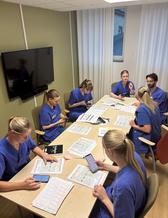
“It was truly interesting to see how meals were served and to have the chance to talk with patients. The experience was both enjoyable and educational, and it feels meaningful to collect data that can help improve care, says student Charlotta Kjellson”.
After completing the interviews, the students compiled their findings – valuable material for both teaching and clinical development.
“I was struck by how many patients had poor appetite and how important the meal environment is. I was also surprised that snacks were not routinely offered, even though it can be difficult for a sick and tired patient to ask for extra food,” Charlotta adds.
Meaningful in the curriculum
This activity is a key component of the fifth semester of the dietetics program, when students focus on clinical nutrition.

“This gives students an opportunity to apply their theoretical knowledge in real encounters with patients. It often leads to insights that stay with them as they enter the profession,” says Heléne Ambjörnsson, university lecturer at the Institute of Medicine.
Program director Jenny van Odijk also emphasizes the educational value:
“The day provides students with a clear picture of how nutritional care works in everyday practice, while their contributions help draw attention to malnutrition on the wards.”
Welcomed visits
For clinical dietitians, student participation is both welcome and important.
“The students make it possible to carry out a point-prevalence survey of this scale – something we would not have had the capacity to do otherwise. Their results spark natural discussions on the wards about nutritional treatment and routines,” says Frida Hansson, registered dietitian and section manager at the Clinical Nutrition Outpatient Unit, Sahlgrenska University Hospital.
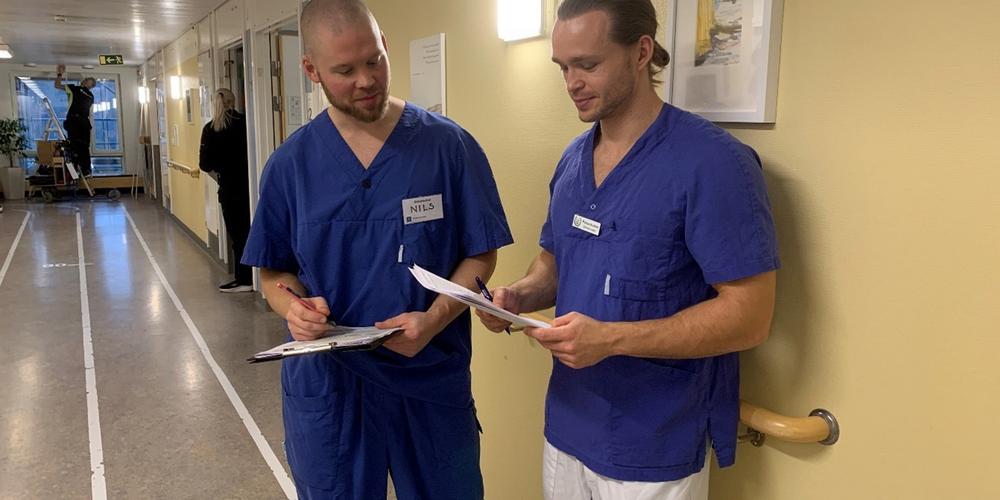
Nina Uhlebäck, registered dietitian and section manager at the Department of Medicine Östra as well as coordinator for the risk area of malnutrition at Sahlgrenska University Hospital, adds:
“Collaborating with the university gives us an extra opportunity to focus on malnutrition. It serves as a reminder of how important the entire meal process is – from ordering to serving. And it is wonderful to see how confidently the students take on the task and engage with patients.”.
Malnutrition Awareness Week is held annually, and the dietetics program plans to continue this valued collaboration – both to support student learning and to strengthen nutritional care within the healthcare system.